As homeowners across the United Kingdom seek more efficient and sustainable ways to heat their homes, fuel pellets have surged in popularity. But what exactly are these small, cylindrical granules, and why are they considered a smart choice for modern heating?
This comprehensive guide will delve into everything you need to know about fuel pellets, providing you with the essential information to understand this powerful and eco-friendly energy source.
What Are Fuel Pellets?
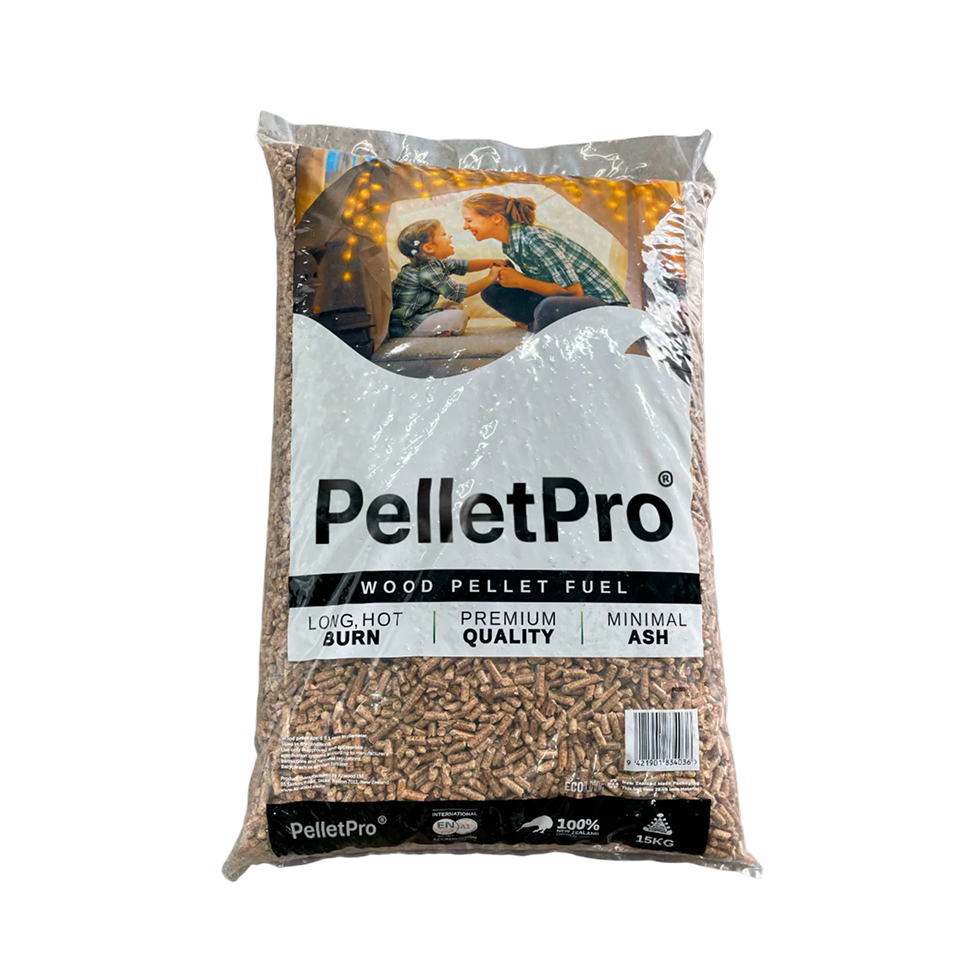
Fuel pellets, most commonly known as wood pellets, are a type of biomass fuel. They are small, cylindrical pieces of compressed organic material. Their standardised size and density make them ideal for use in automated heating systems, specifically pellet stoves and biomass boilers.
Think of them as a highly refined, modern version of traditional firewood. They are designed for maximum efficiency, convenience, and consistent heat output.
How Are Wood Pellets Made? The Manufacturing Process
The journey from a raw material to a premium fuel pellet is a fascinating example of efficient recycling and engineering.
- Raw Material Sourcing: The primary material is industrial wood waste, such as sawdust, wood shavings, and chips from sawmills and furniture manufacturing. This makes use of a material that would otherwise go to landfill.
- Drying: The raw sawdust has a high moisture content. It is fed into large industrial dryers to reduce the moisture to a very low level (typically around 10%). This is crucial for the pellets’ energy density and combustion efficiency.
- Pelletising: The dry, fine wood dust is then forced through a metal die under extreme pressure and temperature. The natural lignin in the wood softens and acts as a binder, holding the pellet together without the need for additives.
- Cooling and Screening: The newly formed pellets are hot and soft. They are cooled to harden them and then screened to remove any fine dust, leaving only the uniform, high-quality pellets.
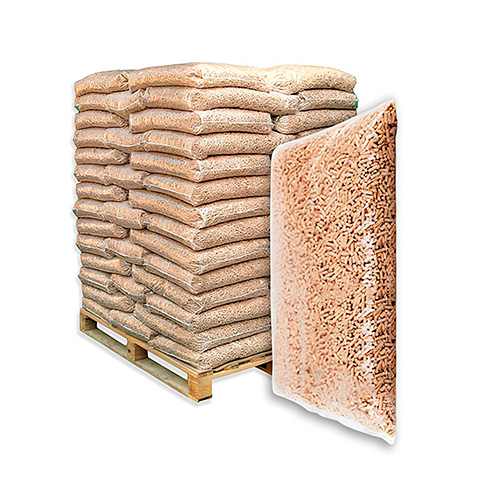
- Bagging: Finally, the pellets are packed into bags (typically 10kg or 15kg) for retail sale or in bulk bags for larger consumers.
Key Benefits of Using Fuel Pellets for Heating
Why choose pellets over other fuels like gas, oil, or traditional logs? The advantages are compelling.
- High Efficiency & Cost-Effectiveness: Pellet stoves are incredibly efficient, often achieving over 90% efficiency. This means almost all the fuel is converted into heat for your home, leading to lower running costs compared to many traditional heating systems.
- Sustainability & Low Carbon: Wood pellets are a carbon-neutral fuel. The carbon dioxide released during burning is roughly equal to what the tree absorbed during its lifetime. As a sustainably managed resource, they are a key part of the UK’s renewable energy strategy.
- Convenience and Cleanliness: Unlike messy logs, pellets come in easy-to-handle bags. They are clean to store and produce minimal ash. Automatic feeders on pellet stoves mean you only need to top up the hopper every day or two.
- Consistent and Reliable Heat: Due to their uniform size and moisture content, pellets provide a consistent, controllable heat output. You can easily adjust the temperature with a thermostat, much like a central heating system.
(Image Suggestion: A diagram showing the pellet manufacturing process from sawdust to finished pellet.)
What to Look For When Buying Pellets in the UK
Not all pellets are created equal. To ensure optimal performance and protect your appliance, look for these markers of quality.
- The ENplus® Certification: This is the most important quality standard. It guarantees the pellets’ properties, including moisture content, ash content, and mechanical durability. ENplus A1 is the premium grade for residential appliances.
- Low Moisture Content: Premium pellets have a moisture content below 10%. Lower moisture means higher heat output and less creosote buildup in your flue.
- Hardwood vs. Softwood: Both can produce excellent pellets. Softwood pellets often have a slightly higher heat value due to their resin content, but the key is the manufacturing quality, not the wood type itself.
- Low Ash Content: Look for pellets with an ash content of 0.7% or lower. This means less frequent cleaning of your stove’s ash pan.
Frequently Asked Questions About Fuel Pellets
(This section is crucial for capturing “People Also Ask” featured snippets in Google.)
Q: Are pellet stoves expensive to run in the UK?
A: Running costs depend on the price of pellets versus other fuels like electricity, gas, or oil. While prices fluctuate, pellets have historically been a cost-effective option, especially when considering their high efficiency. Calculating the cost per kilowatt-hour (kWh) is the best way to compare.
Q: Can I use my pellet stove without electricity?
A: Most pellet stoves require electricity to power the automatic feeder, fan, and controls. A small backup battery or generator is recommended during power outages for continuous operation.
Q: What is the difference between wood pellets and animal bedding pellets?
A: Animal bedding pellets are often made to a lower standard and may contain impurities or different wood types. They are not certified for use in stoves and can cause damage and inefficient burning. Always use fuel-grade pellets certified to ENplus.
Q: Do I need a special flue for a pellet stove?
A: Yes, pellet stoves require a specific, certified flue system. Installation must always be carried out by a qualified professional, such as a HETAS registered engineer in the UK, to ensure it is safe and compliant with building regulations.
Q: How should I store wood pellets?
A: Pellets must be kept in a cool, dry place. Any moisture will cause them to swell and disintegrate, rendering them useless. Store bags off the floor on a pallet and away from damp walls.
Conclusion: A Smart Choice for Modern Heating
Fuel pellets represent a significant step forward in residential heating. They offer a powerful blend of environmental responsibility, modern convenience, and economic sense. For UK homeowners looking to reduce their carbon footprint and gain greater control over their heating bills, understanding and potentially adopting wood pellet fuel is a step in a decidedly smart direction.
By choosing high-quality, certified pellets, you are investing in a sustainable, efficient, and reliable heat source for years to come.

 Free delivery for orders over £100